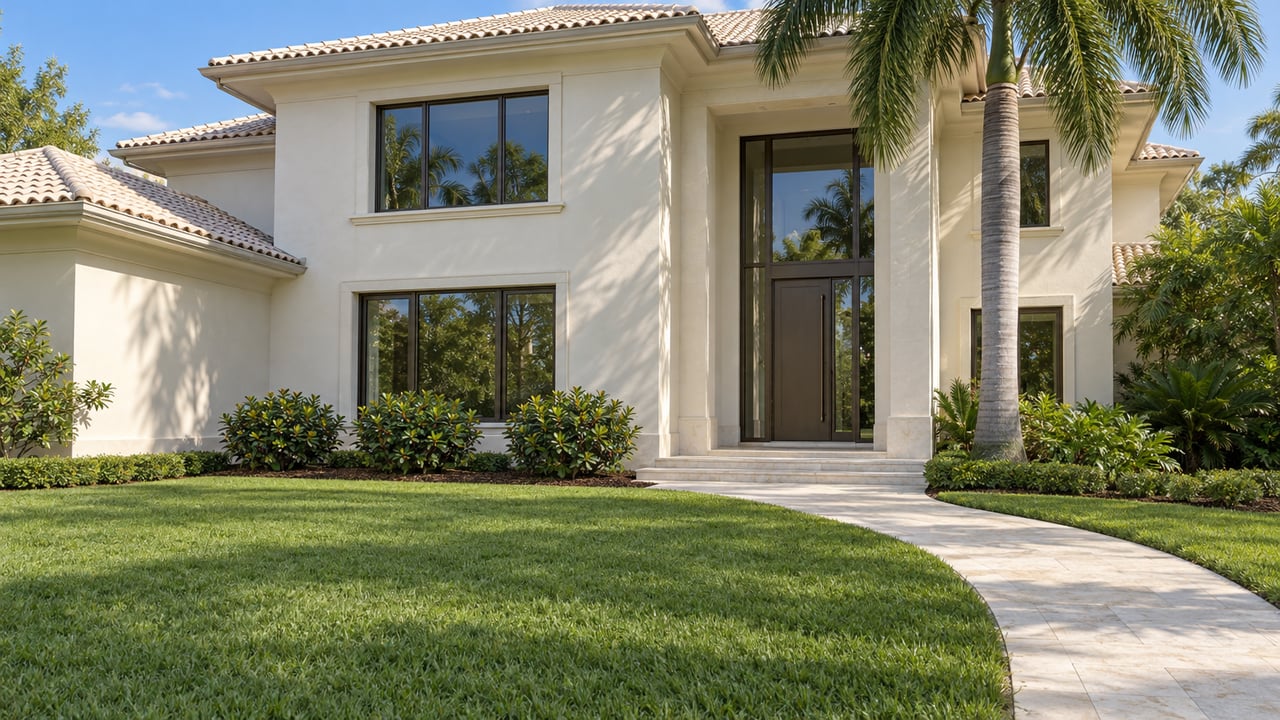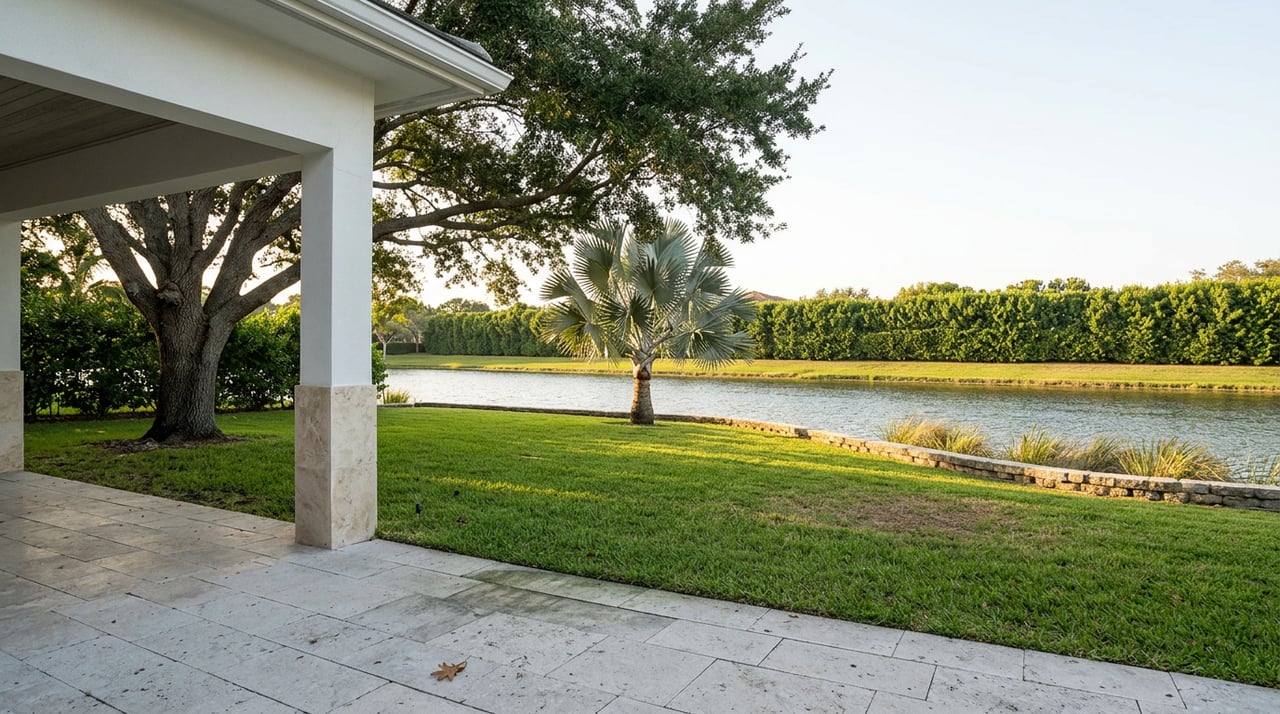
A snapshot of Long Lake Estates listings taken in late June 2026 showed two homes sharing the same 117-house enclave, the same guardhouse, and the same 40-acre lake, with almost nothing else in common. One was a spec estate under construction, priced at $20,000,000, seven bedrooms across 11,500 square feet, with a completion date of 2027 and only two days on the market at that point. The other was a 1984-built home on Twin Lake Drive, five bedrooms and four baths across 4,177 square feet, listed at $2,399,000, already 36 days on the market at that same point.
Both are correctly labeled Long Lake Estates. Both will feed into the same neighborhood median the moment one of them closes. That is the problem with the headline number everyone quotes about this community, and it is worth taking apart before anyone prices a listing or writes an offer here.
One median, two very different houses
Tracking through the first half of 2026, the trailing twelve months of closed sales put the median sale price in Long Lake Estates at $4,826,250, down roughly a quarter from the prior twelve-month period. Days on market over that same tracking period ran past 100, more than double the mid-50s national average for single-family homes. Read on its own, that looks like a neighborhood cooling off.
It is not. It is a neighborhood where the mix of what happens to close in any given window swings the median more than any actual change in value does. A 117-home enclave does not generate enough transactions in a year to smooth out the difference between a resale on original 1970s bones and a full teardown rebuild. When more of the former close in a period, the median falls. When more of the latter close, it jumps. Neither move tells you a single home lost or gained value. It tells you which product happened to trade.
What the sold sheet actually shows
The closed sales recorded in the local multiple listing service over the past four years make the point better than any summary statistic could.
| Address | Living Area | Sold Price | Sold Date |
|---|---|---|---|
| 8812 Twin Lake Drive | 13,357 sq ft | $12,600,000 | March 2024 |
| 8808 Twin Lake Drive | 15,270 sq ft | $8,500,000 | May 2023 |
| 18074 Sentinel Circle | 10,515 sq ft | $6,250,000 | August 2022 |
| 18074 Sentinel Circle | 10,635 sq ft | $6,850,000 | February 2026 |
| 18181 Daybreak Drive | 8,380 sq ft | $2,995,000 | October 2023 |
| 8090 Twin Lake Drive | 5,767 sq ft | $2,850,000 | April 2026 |
Look at 18074 Sentinel Circle. The same address sold twice, about three and a half years apart, for a gain that looks entirely reasonable for a large estate lot in this market. Now look at the spread across the other rows: $2,850,000 to $12,600,000, all inside the same gated community, some in the same twelve-month stretch. A median calculated across a set like this is not measuring appreciation or depreciation. It is measuring which of these very different houses happened to sell.
Built once in the 1970s, built twice since 2002
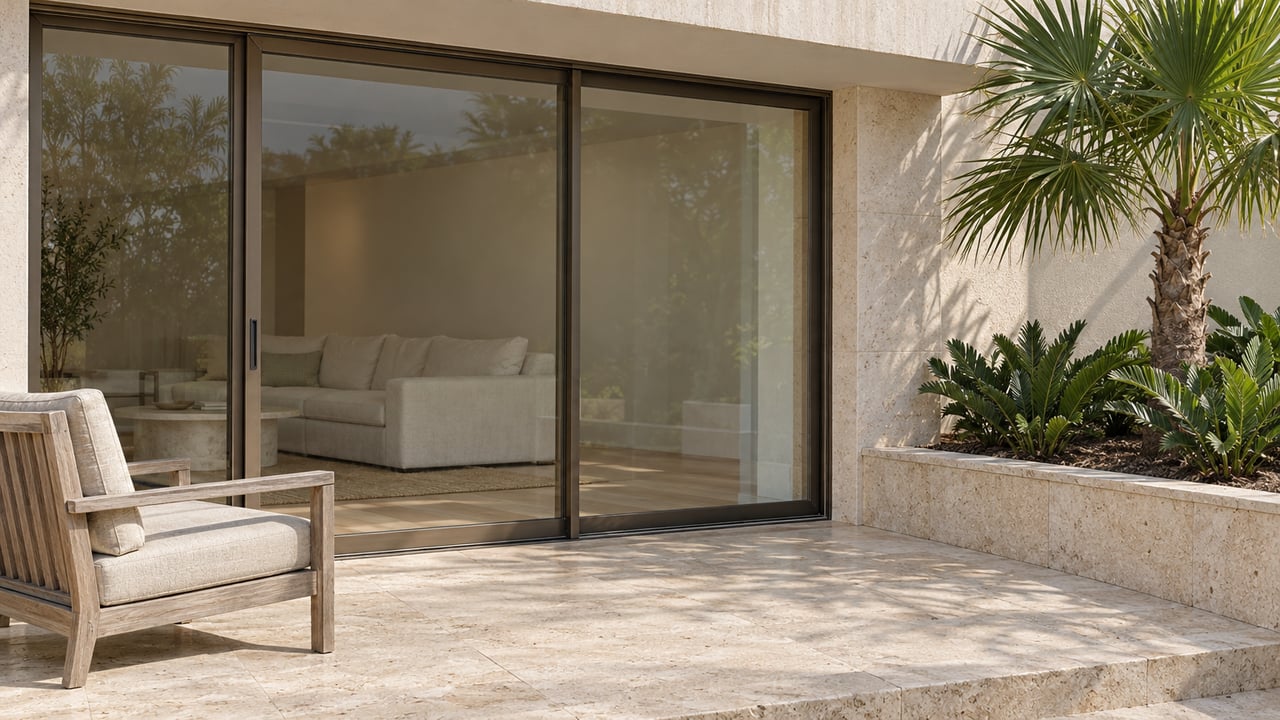
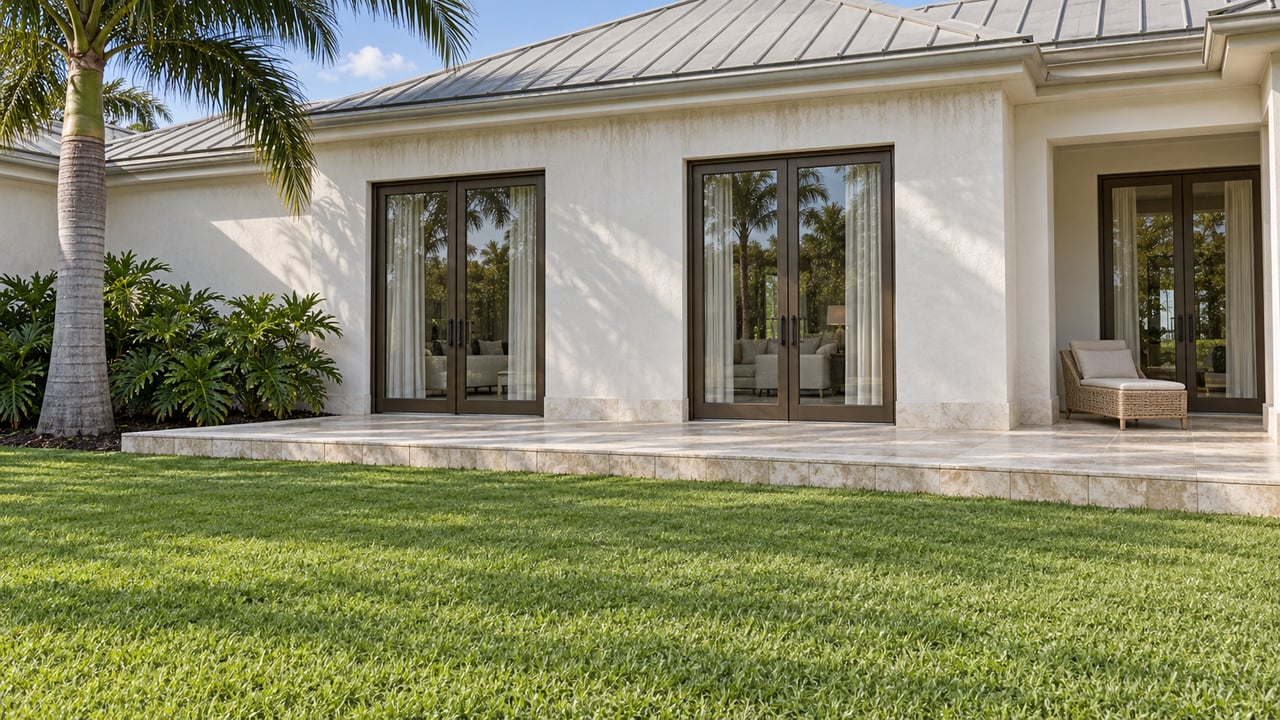
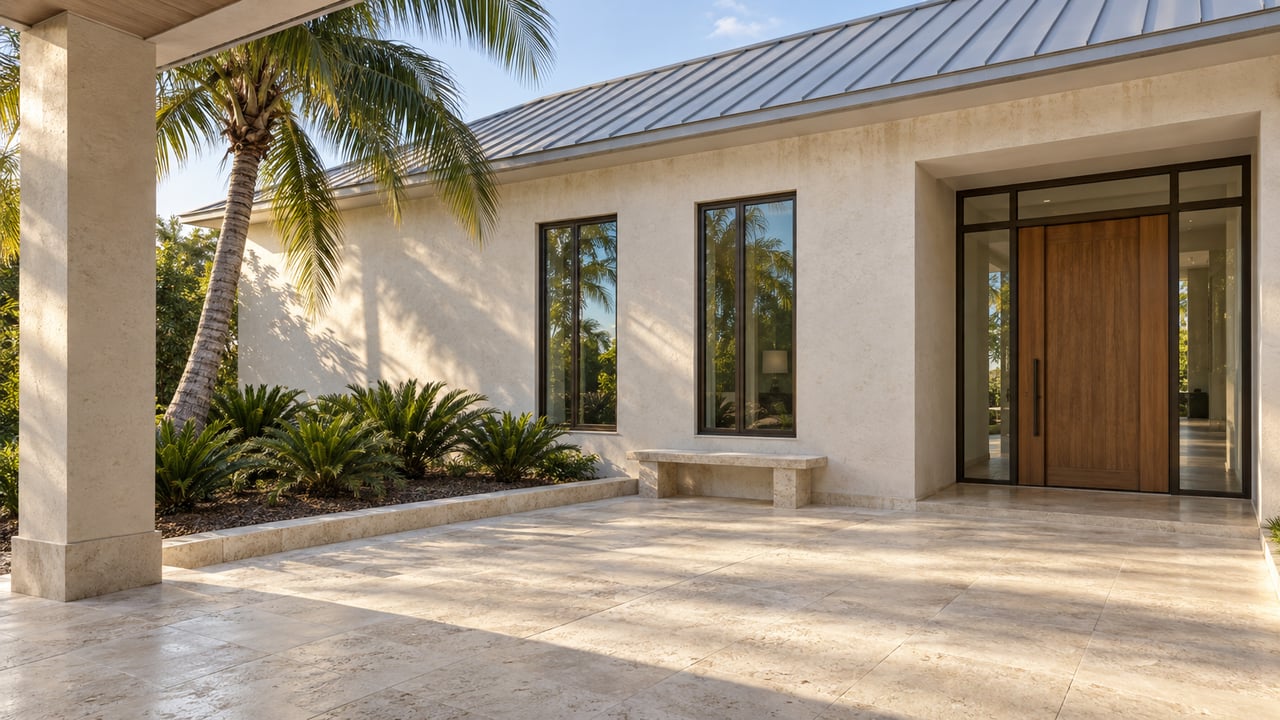
The physical stock explains why the spread exists. Construction in Long Lake Estates began in the 1970s under Cudmore Builders and Albanese Home Builders, producing the Mediterranean and Tuscan-influenced estates that still stand on parts of the lake. Since 2002, a wave of teardowns and full reconstructions has replaced a meaningful share of that original inventory with contemporary and ultra-modern mansions on the same one-acre-plus lots.
That matters because roughly 74 of the community's homesites carry 300 feet or more of lake frontage. On a lot like that, the land itself is doing a large share of the pricing work. A buyer looking at a smaller, original-vintage home on a premium lakefront parcel is not really comparing it to the rebuild next door. They are pricing the dirt and deciding whether to renovate, hold, or start over. A seller listing an unrenovated 1980s home for the same per-square-foot number as a 2024 rebuild is going to sit on the market past the neighborhood average, which is exactly what the elevated days-on-market figure is likely reflecting: not buyer hesitation about the community, but a mismatch between what a specific home is and what it is priced to compete against.
The gate fee that isn't a club fee
One structural fact keeps Long Lake Estates in a different conversation than the country club communities that surround it. The monthly association fee, reported around $540, covers lake and grounds maintenance, the manned guardhouse, and the clubhouse and recreational facilities.
The other side of Clint Moore Road
Long Lake Estates sits on the south side of Clint Moore Road, and directly across it sits Horseshoe Acres, a community local agents often group with Long Lake Estates under a single neighborhood umbrella even though the two operate on entirely different terms. Parcels run from roughly five acres up past ten, well beyond anything available inside the Long Lake gate.
A five-acre parcel near the community entrance recently sold close to its asking price, a sign that land-only demand on that side of the road has not slowed even while the Long Lake Estates median swings around. For a buyer deciding between the two, the choice usually comes down to one question: do you want the guardhouse, the lake maintenance, and a modest HOA fee, or do you want more acreage. Both are legitimate answers. They are not the same product, and pricing one against the other without adjusting for that difference is a common mistake.
Reading the listing sheet like a comp, not a headline
Before treating any Long Lake Estates listing as a straightforward comparison to another, a few fields on the sheet are worth checking directly.
- The year-built field. A 1984 original and a 2024 or 2027 rebuild sit in the same MLS neighborhood code but are not the same asset.
- Lot square footage against living square footage. On a premium lakefront parcel, a smaller structure may still be priced primarily for the land underneath it.
- Lake frontage footage, where listed. Not every home in the community touches the water, and among those that do, the footage varies enough to matter.
- Permit and renovation history, where available through the property record. A "renovated" listing can mean a kitchen refresh or a full structural rebuild, and the difference shows up in price per square foot.
None of this replaces a direct walkthrough and a proper comparative analysis. It does mean the headline median for Long Lake Estates should never be the number that sets an offer or a list price.
FAQ
Is Long Lake Estates a country club community? No. It is a gated, guard-staffed community with an HOA fee reported around $540 a month covering security, lake maintenance, and common amenities.
How does Long Lake Estates compare to Horseshoe Acres for a buyer who wants land? Horseshoe Acres, directly across Clint Moore Road, has parcels typically running larger than what is available inside the Long Lake Estates gate. Buyers who want maximum acreage tend to land there. Buyers who want a managed lake, guardhouse security, and a modest association fee tend to stay inside Long Lake Estates.
A median price or a days-on-market figure can tell you that a neighborhood is active. It cannot tell you what a specific 1984 estate on a lakefront lot is actually worth against a 2027 rebuild three doors down, and in a community built in two distinct waves forty years apart, that distinction is the whole conversation. If you are pricing a sale or evaluating an offer in Long Lake Estates or Horseshoe Acres, Gregory Glenn can walk through the vintage, the lot, and the comparable sales that actually apply to your situation. Schedule a consultation to start that conversation before the listing goes live.
This article is general information, not legal, tax or financial advice. Consult a qualified professional about your situation.