A homeowner in Wellington who watches the calendar fill with private jets, European horse trailers, and a few thousand extra rental cars each January could be forgiven for assuming the math is simple: more people in town during equestrian season means more competition for houses, which means a stronger number when you sell. It is the story sellers tell themselves every fall, and it is the story that gets tested every spring when the closing statements come in.
The 2025 Winter Equestrian Festival generated a reported $536.2 million in economic impact and drew more than 31,000 participants from every state and more than 50 countries, with over 210,000 paid room nights tied to event activity in Palm Beach County. Those are real numbers describing a real event. What they do not describe, on their own, is what happens to the price a seller actually closes at. That gap between the size of the season and the behavior of the sale price is the thing worth understanding before you list a house here, or before you assume the community you are buying into works the way its name suggests.
The Season Brings Visibility. Visibility Isn't Leverage.
Wellington's own market reporting for the current cycle shows homes taking roughly 63 to 68 days to sell, with sale prices landing around 97 percent of list. That is a healthy market, but it is not a frenzy, and it is happening during the same window when the town's population and economic activity are near their peak. More buyers browsing from out of town, more short visits between show days, more eyes on a listing while its owner is walking a horse to the in-gate, none of that shows up as upward pressure on the closing number. It shows up as more traffic to the listing and, if the home is priced to the market, a reasonably quick sale. If it is priced to the season instead of the comps, it sits, and buyers who are shopping from outside the area while the festival runs simply move to the next option in Palm Beach Polo, Olympia, Greenview Shores, or South Shore.
Some local sellers have started reading the calendar the other way. One 2026 seller's guide for the market points to August through November, not the January through April show season, as the window when equestrian families actually make their housing decisions, arguing that peak selling leverage sits outside the festival rather than inside it. Whether or not that holds for every property, it is worth sitting with the idea that the loudest month in Wellington and the strongest month for a seller might not be the same month.
Saddle Trail Park Is the Best Evidence Against the Boom Story
If the season-equals-leverage theory were going to hold anywhere, it would hold in Saddle Trail Park. This is Wellington's acreage neighborhood inside the Equestrian Preserve, with no HOA and direct bridle path access to Wellington International, meaning a horse can be ridden from a backyard barn to the show grounds without a trailer. It is the community built for exactly the buyer the festival attracts.
As of late June 2026, Saddle Trail Park's median sale price sat near $4.1 million, with homes averaging 272 days on market and roughly 21 months of supply. Twenty-one months of supply is not a seller's market by any conventional read. It is closer to a buyer's market, sitting inside the one neighborhood in Wellington that has the strongest structural claim to festival demand. If proximity to a $536 million event doesn't compress days on market in the neighborhood built to capture that event, the assumption that the season itself drives urgency across the broader market deserves a second look.
One Citywide Median Is Actually Two Markets
Part of what makes Wellington confusing to price from the outside is that the town's headline numbers blend two very different products into a single figure. Over the six months ending in August 2026, Wellington's median closing price across roughly 444 tracked sales came in at $666,245, but the middle half of those sales closed anywhere from $495,000 to $975,000, a band wide enough that a buyer working below the low end and a buyer working above the high end are functionally shopping in two different towns.
| Segment | Typical price band | What actually drives the price | Example community |
|---|---|---|---|
| Family and townhome tier | Roughly $400K to $800K | Schools, HOA amenities, commute, condition | Chatsworth Village, Sugar Pond Manor |
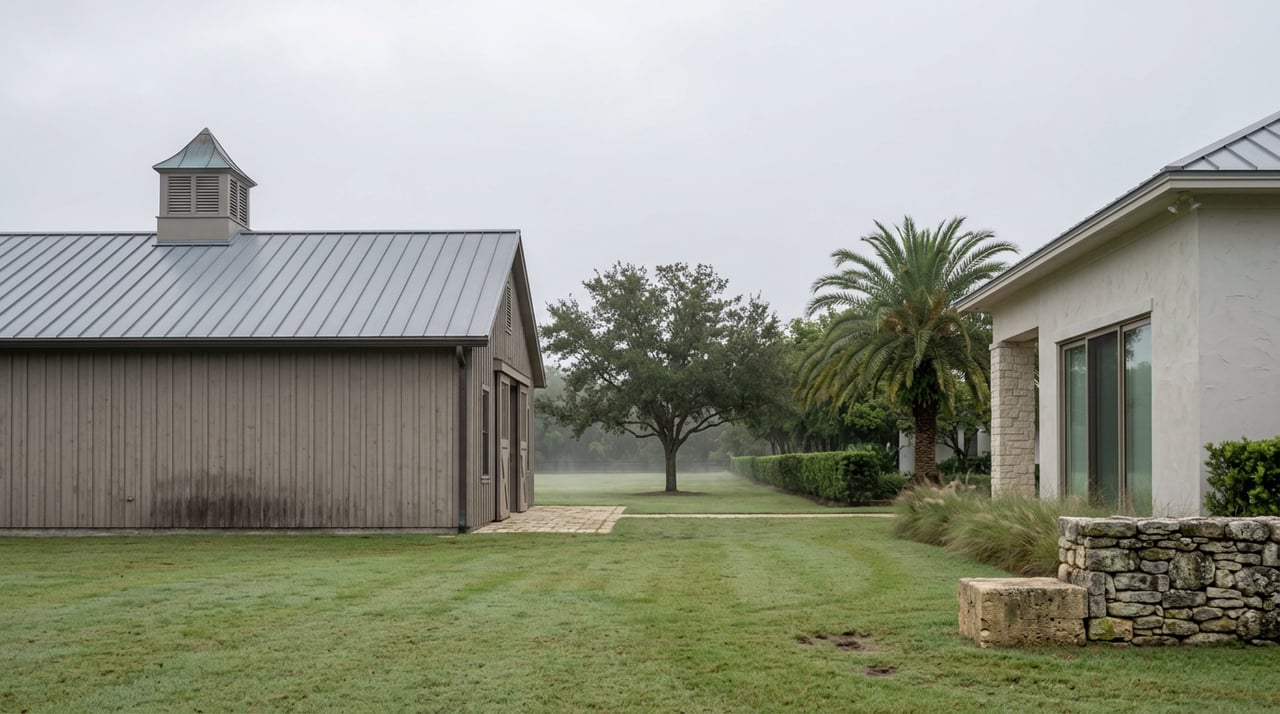
| Acreage and barn tier | Roughly $1.2M to $15M+ | Usable acreage, barn and arena quality, bridle path or golf cart access to the show grounds | Saddle Trail Park, Palm Beach Point |
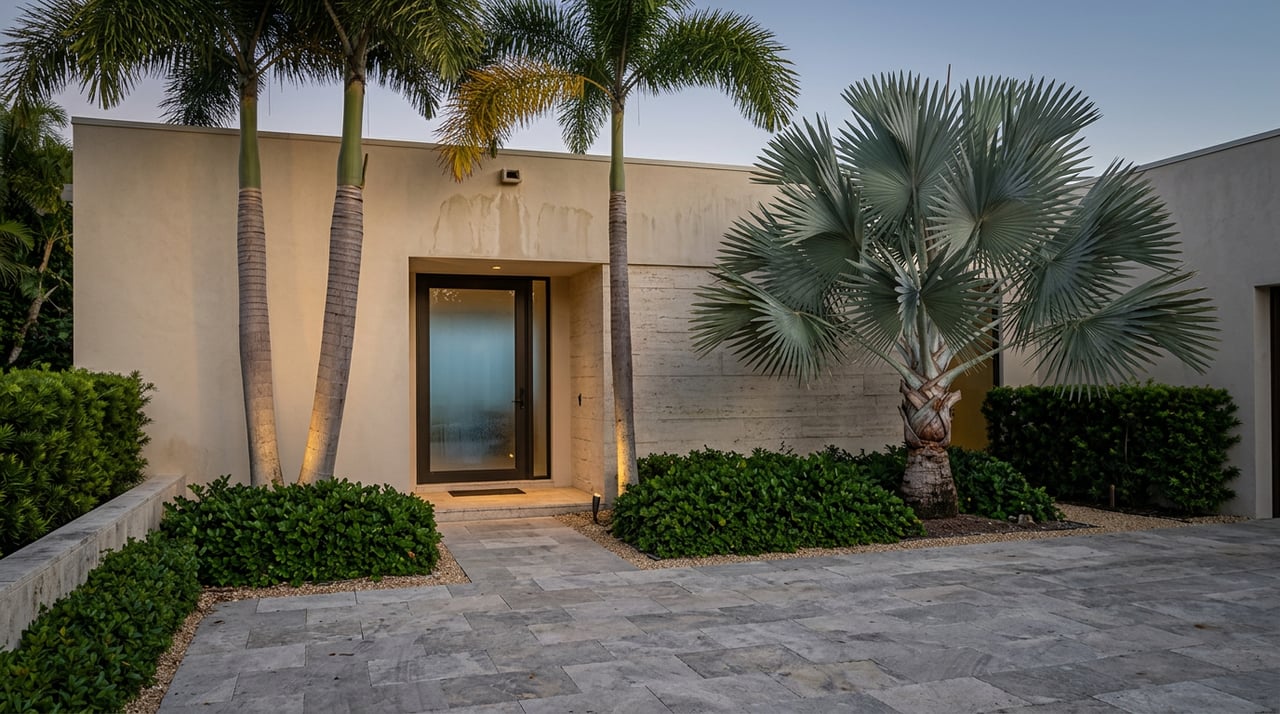
The label "equestrian" gets applied loosely across both tiers, and that is where buyers get surprised. Equestrian Club Estates, a guard gated community built around 2004 with direct golf cart and bridle path access to Wellington International, markets its proximity hard, and for good reason. But the lots there are zoned residential, not agricultural. You cannot keep a horse on the property. Owners board nearby and golf cart or ride over. That distinction, zoned for horses versus zoned near horses, is a real diligence question, not a marketing detail, and it changes what a buyer is actually purchasing.
The Land That Didn't Get Rezoned
Wellington's Village Council gave a clear signal about how tightly it intends to guard its acreage tier this year. In February 2026, the council rejected a rezoning proposal from Frank McCourt's McCourt Partners and Discovery Land Company to redevelop 79 acres at 3665 120th Avenue, part of the East Isla Carroll polo fields, into a horse-friendly residential subdivision built around a private country club. The developers had already scaled the plan back, redesigning it to be roughly a third less dense than an earlier version and adding shared barns and equestrian infrastructure to the pitch. The council still said no, with the mayor telling the meeting the surrounding community does not work without the country club component the plan would have displaced.
The vote matters beyond the specific parcel. It is a live example of how much friction exists between Wellington's development pressure and its acreage supply. When even a well capitalized, horse friendly redesign gets turned down, that tells you the town's equestrian corridor is not going to loosen quickly, and that scarcity in the acreage tier is a policy outcome as much as a market one. For buyers hoping new supply might soften pricing at the top of the market, or for sellers wondering whether a competing project down the road might undercut their listing, this is the kind of local decision that actually answers the question, and it is worth checking on before you assume the acreage tier will behave like the family tier.
What This Actually Means at the Negotiating Table
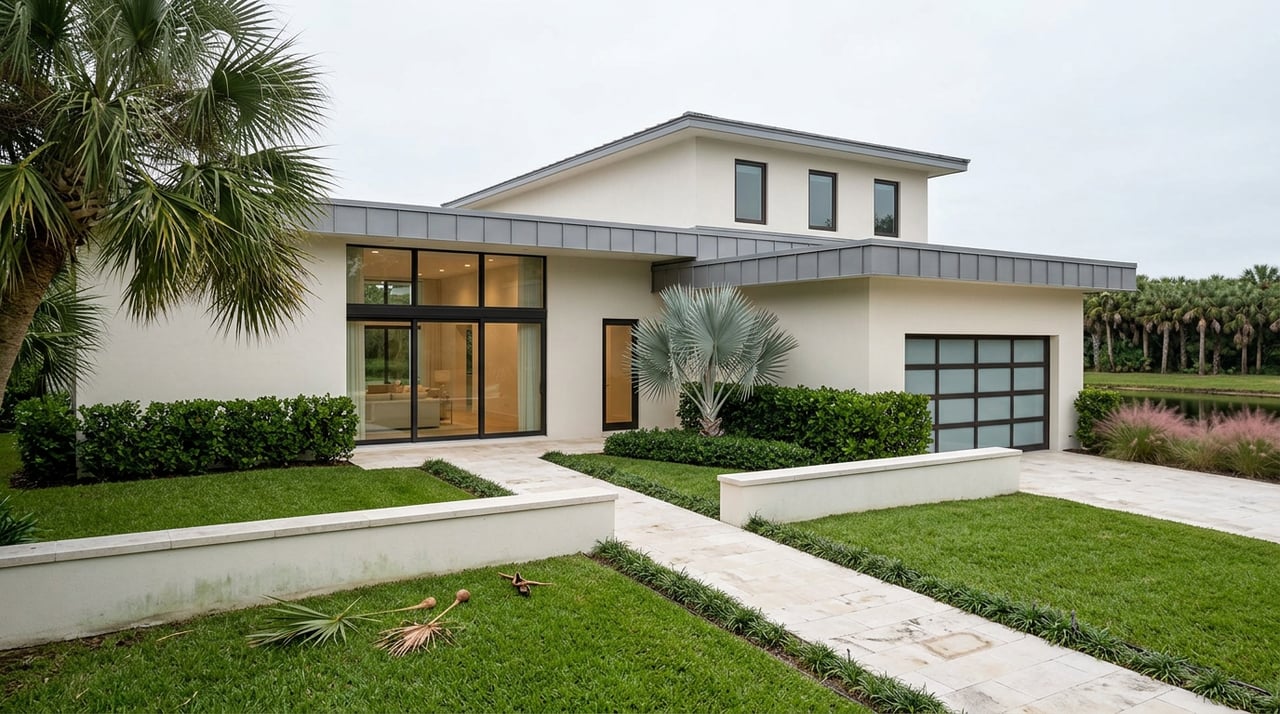
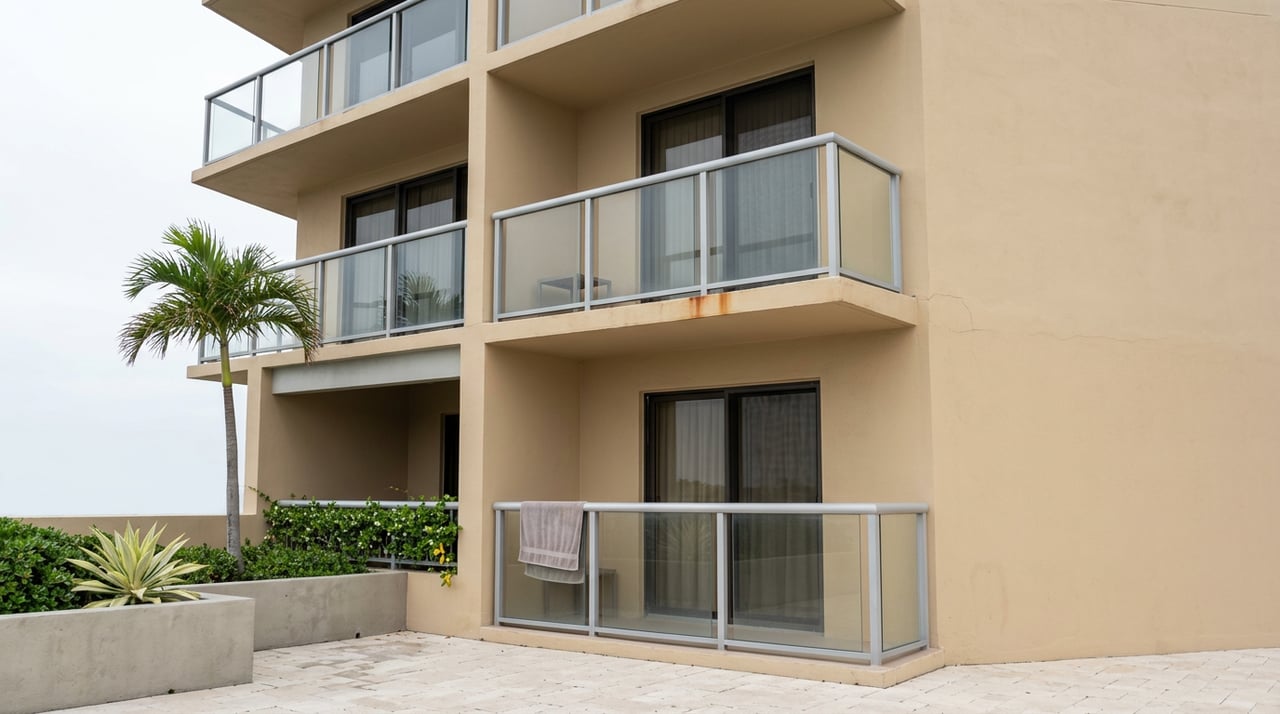
For a seller, the season is a marketing window, not a pricing strategy. It puts your listing in front of a larger and more geographically dispersed pool of lookers, many of them shopping from outside the area between competition days, which is genuinely useful exposure. It does not substitute for pricing against the real comparable set. A home in the family tier competing on schools and condition should be priced against Chatsworth Village or Wiltshire Village sales, not against a Saddle Trail Park farm. A home in the acreage tier should be priced against actual barn and arena comps, not against the citywide median, which barely touches either end of the real distribution.
For a buyer, the questions worth asking before an offer are less about the calendar and more about the deed. Confirm whether the zoning actually permits keeping a horse on the parcel or only grants proximity to boarding. Ask what the community's HOA amenities actually include versus what its marketing implies, since a guard gated address near the show grounds can have a much lighter amenity package than a family community further from the arenas. And if you are underwriting a purchase partly on seasonal rental income, verify the historical numbers directly rather than relying on the wide public range quoted for premium properties, since the spread between a modest show season rental and a fully staffed turnkey farm is enormous.
The town's real estate market runs on a genuine international event with a documented, nine figure economic footprint. That much of the story is true and worth taking seriously. What isn't true, at least not evenly across Wellington's price bands, is the assumption that the size of the season automatically becomes the size of your number at closing. The neighborhoods and the calendar both reward buyers and sellers who read the actual comps, not the headline.
If you're weighing a purchase or a sale in Wellington and want to work through what the current data means for a specific property or price point, Gregory G. Glenn can help you schedule a consultation and look at the numbers that actually apply to your situation.